
Burberry’s Crowd Control
How A Good Sport reframes football for luxury

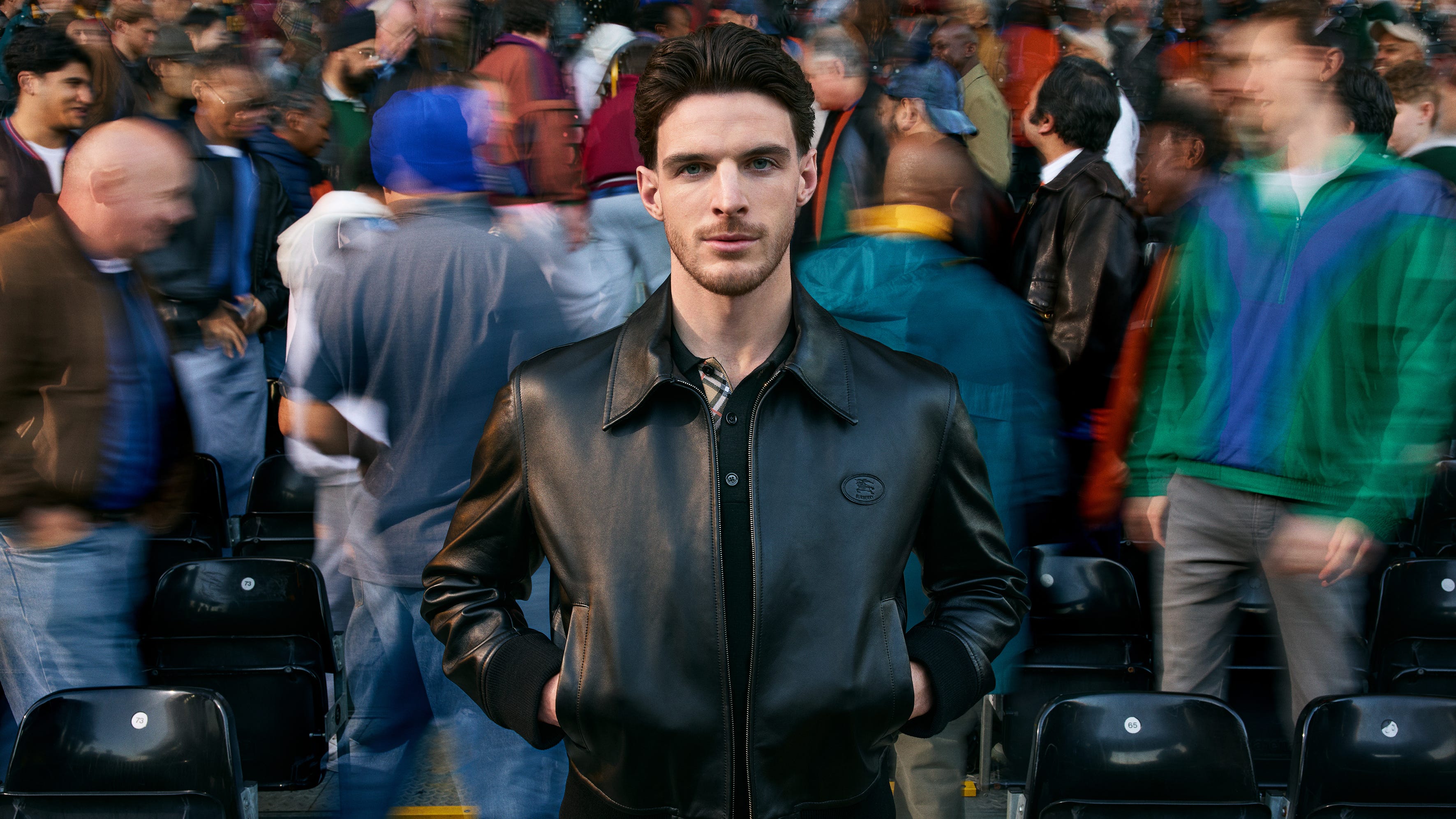
Burberry’s latest campaign film, A Good Sport, knows exactly how football is supposed to look: the walk to the ground, the burger van, the programme seller and the turnstiles. The title also carries a coded idea of British behaviour: decent, agreeable and willing to play along. That is what the campaign does. It makes football feel controlled, familiar and ordinary.
But the relationship between Burberry and football is anything other than ordinary.
By the 1990s, its house check had become entangled with casual culture, tabloid panic and the so-called “English disease”. Football became one of the places where Burberry lost control of its own meaning.
That is what makes A Good Sport so interesting. Burberry has not suddenly discovered football. It has found a particular version of football it can bring inside its own frame.
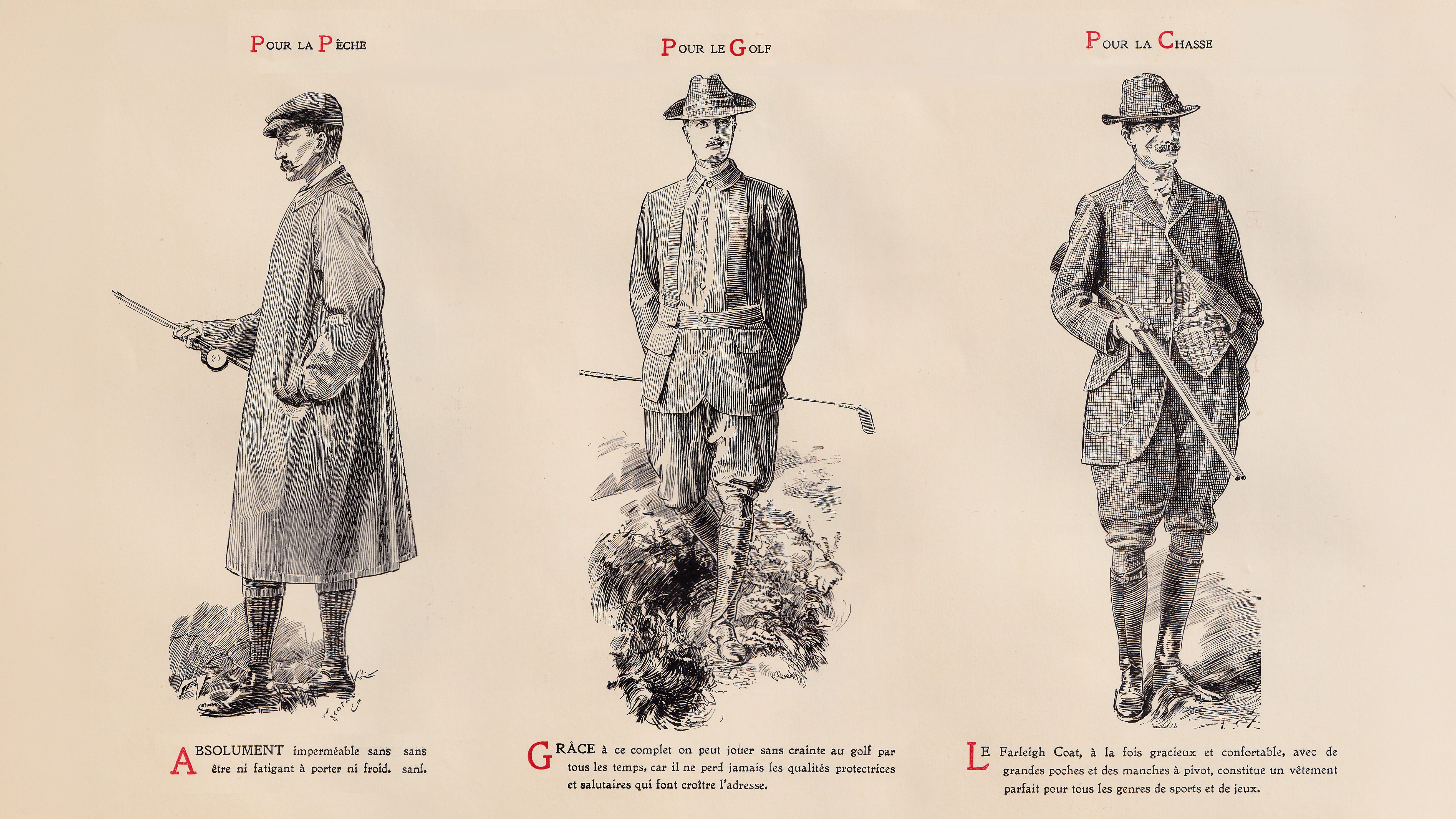
The problem was never sport. Burberry has always liked sport. Its early catalogues are full of shooting, fishing, golf, motoring and horse riding. But these were pursuits of distance: open landscapes, private clubs, individual movement and carefully managed social settings.
Football created a different kind of atmosphere: packed terraces, heaving away ends, match-day pubs, turnstiles and bodies pressed together at scale. Football was never simply a sport. It was working-class, publicly visible and, above all, built around the crowd.
Unlike shooting, fishing, or golf, the football crowd could not be kept at a polite distance. It was also the point. Football’s emotional charge comes from noise, pressure and sudden collective release. It is one of the few public settings where men are permitted to lose bodily composure together; shouting, surging, embracing and celebrating with little concern for restraint.
Burberry, by contrast, has always been a company built around control. Its coats controlled weather. Gabardine controlled exposure. Even its house check itself began as a lining, contained by its placement inside the garment, before Burberry turned it into a visible brand code from the 1960s onwards.
Football casual culture did not create that visibility, but it changed what that visibility meant. Burberry could control fabric, cut and placement. It could not control what happened when those codes entered the crowd.
Football did not simply wear Burberry. Football altered Burberry’s meanings.
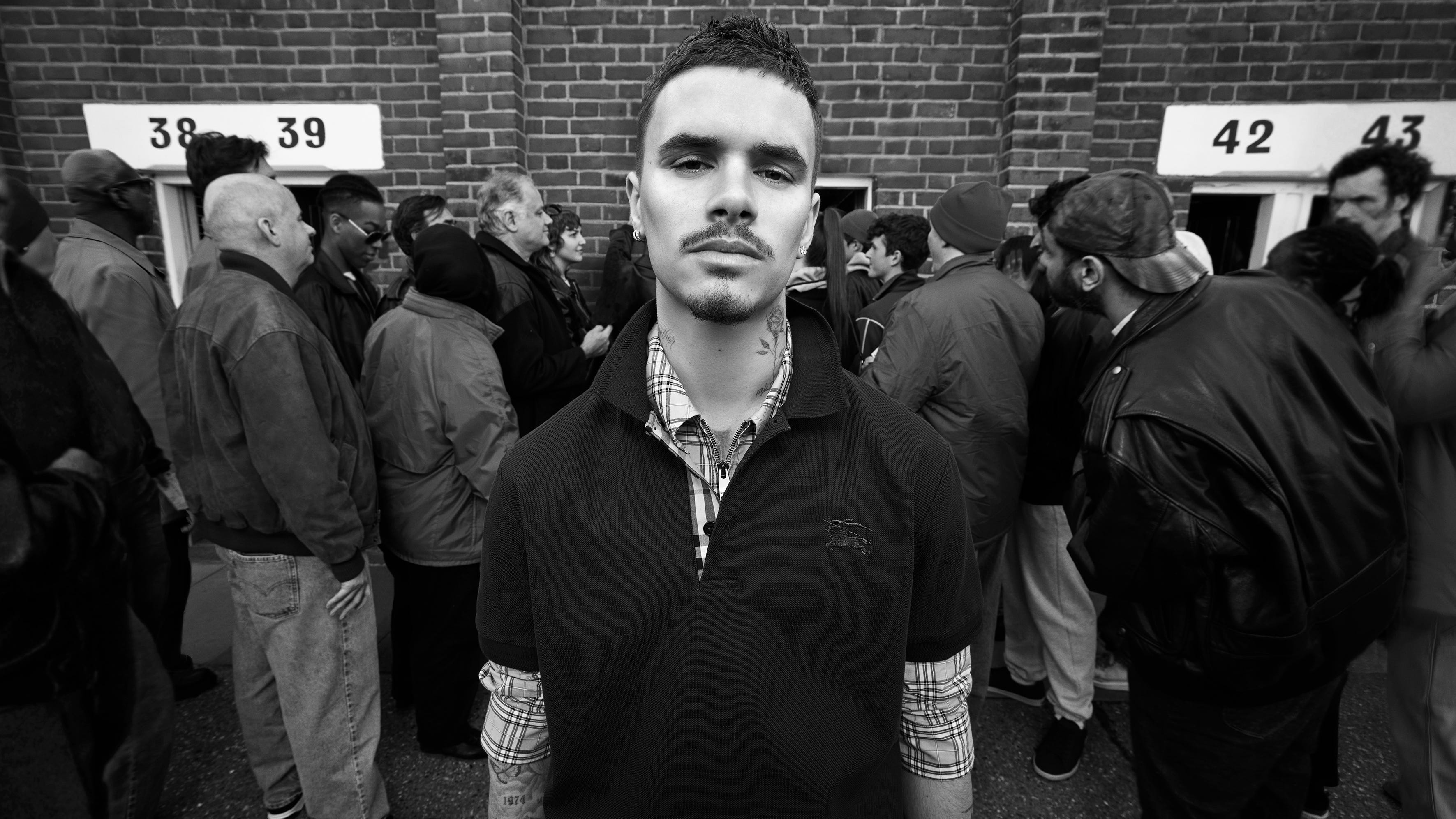
By the late 1990s and early 2000s, that loss of control had attached itself most clearly to the check. The pattern had moved too close to the crowd, and the Burberry baseball cap became the clearest object in that shift: a small accessory that condensed anxieties around “chav” culture, football disorder and public visibility.
The issue was never football itself. The issue was risk. The check became dangerous not because it was visible, but because Burberry could no longer control what that visibility meant.
Burberry’s recent engagement with football has happened cautiously and in stages. In June 2024, ahead of the Euros, Phil Foden and Eberechi Eze appeared in portrait-led campaigns where football existed as individual image: controlled, composed and isolated from both the stadium and the crowd.
Cole Palmer made that distance clearer later that year. In October 2024, Burberry placed him beside a lake, fishing in near silence for nine minutes, wearing a tobacco-brown duffle coat. Like much British outerwear, the duffle carries military association, but here that memory was pacified into leisure. Palmer’s value comes from football, but the film removed football’s usual conditions of the crowd, the noise, and the pressure.
A Good Sport is different because it moves from the footballer as controlled individual towards the football crowd as composed image. The campaign borrows the authority of the crowd while keeping the image carefully framed.
That is where the campaign is most precise. Burberry knows exactly how close it wants to get to football and when to pull back.
It chooses Craven Cottage rather than somewhere more national, more corporate, or more obviously attached to wealth. Fulham offers football already partially reorganised through heritage, hospitality and riverside redevelopment. The old Johnny Haynes Stand carries older football intimacy, while Fulham Pier and the Riverside recast football as dining, event space and premium leisure.
The ground contains the contradiction the campaign needs: historic enough to feel emotionally authentic, redeveloped enough not to feel socially unpredictable.
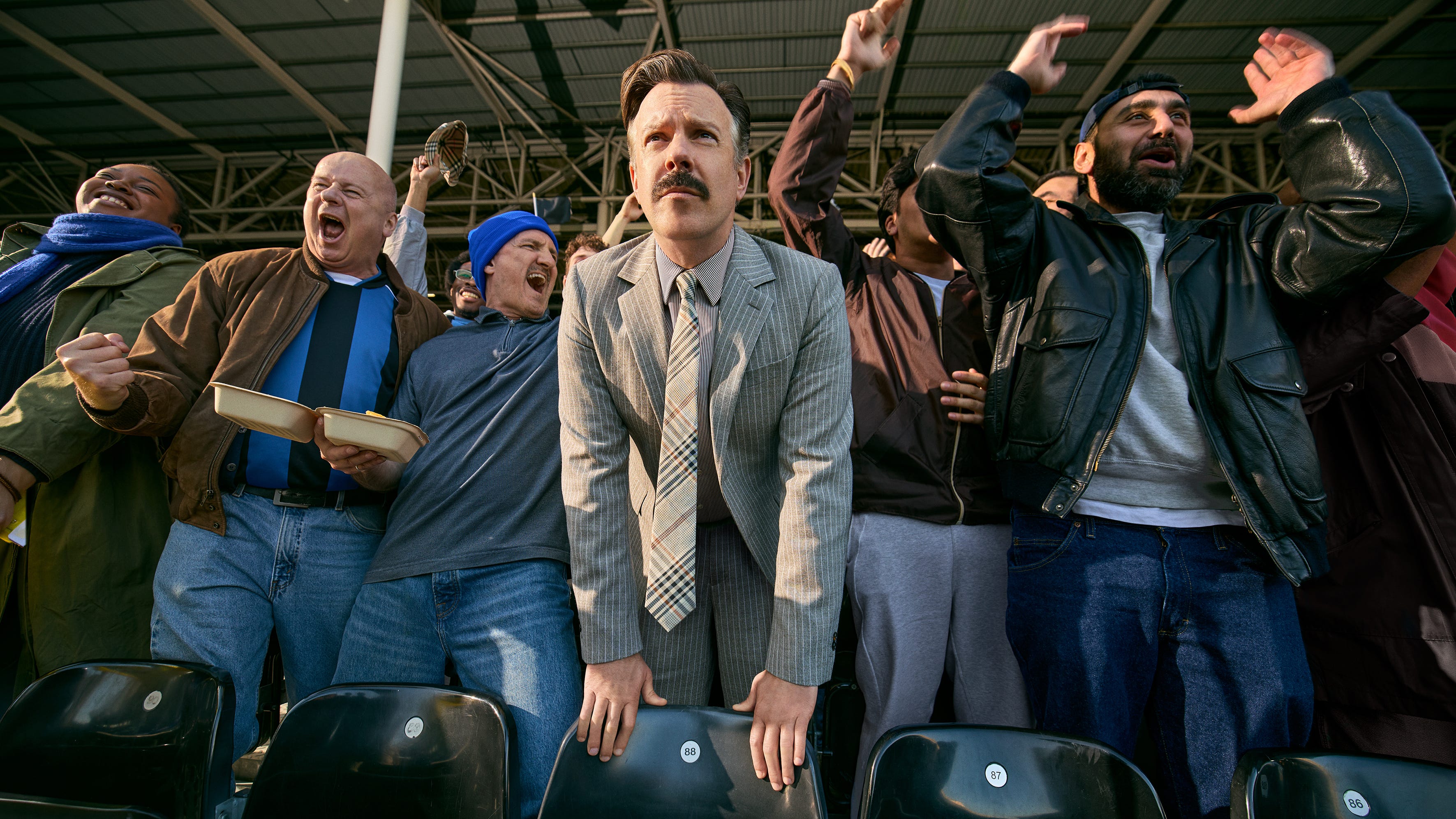
The crowd is handled in the same way. The film shows the last-minute goal, the cheer and the crowd reaction, but keeps that release composed. There is no visible policing, no territorial hostility, no bodies tipping into full loss of control. Football’s emotional charge remains intact while its social force is quietly regulated.
Even the clothes seem designed to absorb that tension.
One of the strongest garments in the campaign is the parka, where the Burberry check fades into muted stone-coloured outerwear. The check does not disappear, but it is pulled back from the public visibility that made it risky. It dissolves into Burberry’s older language of weatherproof neutrality.
Visibility gives way to protection.

The garment does materially what Craven Cottage does architecturally. Neither erases the tensions underneath. Both absorb them into a form that feels controlled, legible and available to luxury.
Football once complicated Burberry’s control over class, visibility and public meaning. Now it offers the kind of emotional imagery that luxury brands increasingly want to use. The crowd has not disappeared, but the frame around it has changed: redeveloped stadiums, global broadcast culture and a version of English football now easier to aestheticise, package and circulate.
The campaign recognises that shift. Football can now be approached through heritage, emotional proximity and controlled release.
That is what makes A Good Sport so effective: it knows exactly how much of football’s physicality luxury can safely absorb.
About the author
Andrew Groves is Professor of Menswear Systems and Director of the Westminster Menswear Archive at the University of Westminster. He writes weekly on menswear, archives, and systems, focusing on how authority and value are produced through clothing. andrewgroves.com
This newsletter examines how menswear operates as a system. Authority, credibility, and value are produced through use, regulation, and appearance.
Subscribe to receive one essay every Thursday.